Basements collect dust, pet hair, tracked-in debris, and fine grit—often in spaces that are easy to neglect. The right robot vacuum can keep these floors cleaner with less daily effort.
We compared 10 robot vacuums and mop combos across suction power, navigation, runtime, dock features, floor compatibility, and control options to help you find a practical fit for your basement.
Best 10 Robot Vacuum for Basements Picks for 2026
Best Overall

- Strong suction with anti-hair-wrap brushroll
- LiDAR mapping and Matrix Clean coverage
- Self-emptying base holds up to 60 days
Best For: Pet owners and larger basements needing low-maintenance cleaning
Best Vacuum-and-Mop Combo
Roborock Q7 L5 Robot Vacuum and Mop

- 8,000Pa suction for carpets and floor cracks
- Vacuum-and-mop cleaning with adjustable water levels
- LiDAR mapping with multi-floor support
Best For: Mixed-floor basements needing vacuuming and mopping
Best for Precise Navigation

- ClearView LiDAR enables precise mapping
- Neat-row cleaning with targeted room controls
- Recharges and resumes automatically
Best For: Organized, app-controlled cleaning in defined basement rooms
Best Slim Budget Option

- 5,000Pa suction for debris and pet hair
- 2.99-inch body reaches under low furniture
- Vacuum-and-mop combo with multiple controls
Best For: Budget-conscious basement cleaning under beds and cabinets
Best for Easy Setup
Roborock Q10 S5+ Robot Vacuum and Mop

- 10,000Pa suction for carpets, hard floors, and pet debris
- Self-emptying dock with a 2.7L bag for up to 70 days
- LiDAR navigation with multi-level mapping
Best For: Pet owners and multi-floor households wanting powerful, low-maintenance cleaning
Best for Everyday Use
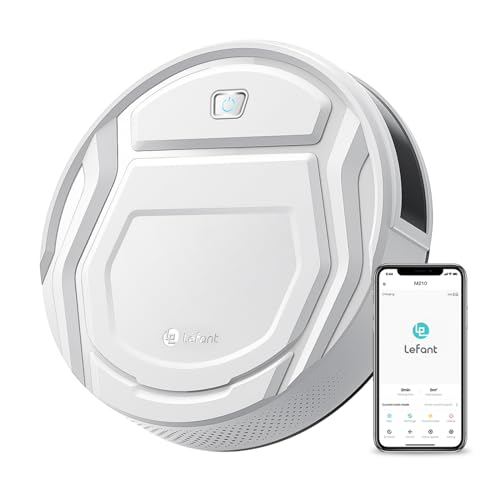
- 2.99-inch height fits under many pieces of furniture
- Brushless suction reduces pet-hair tangles
- App, Alexa, and Google Assistant control
Best For: Compact basement spaces with hard floors and low-pile carpet
Best Hands-Free Midrange Pick

- LiDAR mapping with room selection and no-go zones
- 3L dust bag supports up to 90 days between changes
- 6,000Pa suction with automatic carpet boost
Best For: Mixed-floor basements needing scheduled, low-maintenance cleaning
Flexible Everyday Cleaner
ROPVACNIC S1 Robot Vacuum and Mop

- 5,200Pa suction with three power levels
- Adjustable electronic mopping and multiple controls
- Compact design with automatic recharging
Best For: Routine cleaning on hard floors and low-pile carpet
Hands-Free Pet Cleanup
D13S MAX Self-Emptying Robot Vacuum

- 11,500Pa suction for pet hair and carpet debris
- Sealed self-emptying base stores up to 90 days
- LiDAR mapping with no-go zones and routines
Best For: Pet-heavy homes wanting low-maintenance cleaning
Premium Dock Automation
Roomba Plus 415X Vacuum and Mop

- 20,000Pa listed suction with SmartScrub
- Dock self-empties, refills, washes, and hot-dries
- LiDAR navigation with obstacle recognition and mop lifting
Best For: Mixed floors and buyers wanting maximum hands-free care
Best Overall – Shark AI Ultra Robot Vacuum
For a robot vacuum for basements, the Shark AI Ultra is a strong all-around option for carpet, hard floors, and homes with pets. Its LiDAR mapping, powerful suction, and recharge-and-resume function support thorough cleaning across larger areas, while the self-emptying base reduces routine maintenance.
Best For: Pet owners and larger basements where hands-off debris management is a priority.
Pros:
- Strong suction and a self-cleaning brushroll handle dirt, debris, and pet hair on carpets and hard floors.
- LiDAR mapping and Matrix Clean navigation provide systematic coverage, including in dark areas.
- Bagless self-emptying base holds up to 60 days of debris.
- Recharge-and-resume cleaning helps cover areas beyond a single battery cycle.
Cons:
- The self-emptying base and robot require more floor space than a compact docked model.
- It does not include a mopping function.
The Shark AI Ultra stands out when basement cleaning involves pet hair, mixed flooring, and infrequent emptying. Its mapping and self-emptying features make it particularly convenient for routine maintenance.
Best Vacuum-and-Mop Combo – Roborock Q7 L5 Robot Vacuum and Mop
The Roborock Q7 L5 is a versatile robot vacuum for basements that need both debris pickup and light floor mopping. Its 8,000Pa suction is designed to lift dust from cracks and carpets, while LiDAR navigation, multi-floor mapping, and customizable no-go zones help it work efficiently around basement furniture and obstacles.
Best For: Mixed-floor basements where vacuuming and electronic mopping are both useful.
Pros:
- 8,000Pa suction targets dust, hair, carpet debris, and floor cracks.
- Vacuum-and-mop operation uses a 270 ml water tank with three water levels.
- LiDAR navigation supports efficient routes and multi-level maps.
- App controls allow room scheduling, suction adjustments, and no-go zones.
Cons:
- The robot supports only 2.4 GHz Wi-Fi.
- The water tank and dustbin are an integrated combo part, which may make switching tasks less convenient.
- It does not list an automatic self-emptying base.
Choose the Q7 L5 if basement floors need more than dry vacuuming. Its strong suction and mapping are useful for carpeted areas, while the removable mop pad adds flexibility on sealed hard floors.
Best for Precise Navigation – Roomba 105 Vac Robot Vacuum
The Roomba 105 Vac is a practical robot vacuum for basements where orderly, targeted cleaning matters. ClearView LiDAR creates precise maps, the robot cleans in neat rows, and its app supports room targeting, schedules, keep-out zones, and adjustable cleaning passes.
Best For: Users who want straightforward app-based control and organized cleaning paths.
Pros:
- Three-stage cleaning combines power-lifting suction, a multi-surface brush, and edge sweeping.
- LiDAR navigation maps the home and supports neat-row cleaning.
- App controls include room targeting, schedules, keep-out zones, and spot cleaning.
- Recharges and resumes cleaning when needed.
Cons:
- Wi-Fi setup and operation use a 2.4 GHz network.
- It does not include mopping or automatic dirt disposal.
- The supplied notes do not specify a suction rating or dustbin capacity.
The Roomba 105 Vac is a good fit for basement owners who value predictable navigation and easy controls over extra features. Its targeted cleaning tools are useful for high-traffic spots and defined rooms.
Best Slim Budget Option – Tikom G8000 Max Robot Vacuum
The Tikom G8000 Max is a compact robot vacuum for basements with hard floors, rugs, and lower-clearance furniture. Its 2.99-inch height, 5,000Pa suction, long stated runtime, and combined vacuum-and-mop design provide useful everyday coverage without relying on advanced mapping.
Best For: Budget-minded users who need a slim cleaner for hard floors, carpets, and pet hair.
Pros:
- 5,000Pa suction handles pet hair, dust, and debris across listed floor types.
- Vacuuming and mopping can run together using the 450 ml dustbin and 300 ml water tank combo.
- Ultra-slim 2.99-inch design reaches under beds, sofas, and cabinets.
- Offers app, remote, voice, and button controls plus four cleaning modes.
Cons:
- The supplied surface recommendation lists hard floors, so carpet performance may be best limited to short- or medium-pile styles.
- It uses sensor-based navigation rather than LiDAR mapping.
- It does not list automatic self-emptying.
The G8000 Max makes sense for a basement with tight clearances and a mix of sealed floors and modest carpeting. Its multiple controls and slim body add convenience, though it is less navigation-focused than the LiDAR models.
Best for Easy Setup – Roborock Q10 S5+ Robot Vacuum and Mop
For shoppers comparing a robot vacuum for basements, the Roborock Q10 S5+ stands out when strong pickup, mapping, and low-maintenance operation matter. Its 10,000Pa suction, LiDAR navigation, multi-level mapping, and self-emptying dock suit spaces with hard floors, carpets, pet hair, and heavier debris.
Best For: Pet owners and households that want powerful vacuuming, mopping, and hands-free maintenance across multiple floors.
Pros:
- 10,000Pa suction handles pet hair, crumbs, debris, and crevices.
- Self-emptying dock includes a 2.7L dust bag rated for up to 70 days.
- LiDAR navigation supports detailed mapping and multi-level floor plans.
- Auto mop lifting, carpet detection, and obstacle avoidance support mixed flooring.
Cons:
- Its larger feature set may be more than needed for simple, single-room cleaning.
- Mopping performance and settings require app configuration for best results.
The Q10 S5+ is a capable choice for basements that need more than basic dust pickup. Its combination of suction, mapping, carpet care, and self-emptying makes it especially practical when the basement is used frequently or has pet traffic.
Best for Everyday Use – Lefant M210 Robot Vacuum
If you need a compact robot vacuum for basements with furniture, narrow clearances, or mostly hard flooring, the Lefant M210 is a straightforward option. Its 2.99-inch height, brushless suction port, app controls, and automatic docking focus on everyday cleaning rather than advanced mapping or mopping.
Best For: Small basement areas with hard floors, low-pile carpet, furniture clearance concerns, and routine pet-hair cleanup.
Pros:
- Low-profile 2.99-inch design can clean under beds, sofas, and other furniture.
- Brushless suction helps move pet hair into the dustbin without roller-brush tangles.
- Six cleaning modes include zigzag, random, spot, edge, scheduled, and manual control.
- App, Alexa, and Google Assistant support enable scheduling and remote control.
Cons:
- Its 120-minute runtime is measured in low-suction mode.
- The supplied guidance advises against zigzag mode on carpet.
- It is specified for hard floors and low-pile carpet rather than heavier carpet.
The M210 makes sense when clearance and simplicity are more important than premium navigation. Its small body and tangle-resistant suction are useful in furnished basements, though users with extensive carpet or complex layouts may want a more advanced model.
Best Hands-Free Midrange Pick – S6 Pro Robot Vacuum and Mop
The S6 Pro is a useful robot vacuum for basements when you want room-by-room mapping, automatic emptying, and combined vacuuming and mopping. Its 6,000Pa suction, LiDAR navigation, carpet boost, and selectable water flow settings are designed for mixed floors, including hardwood, tile, laminate, vinyl, and low-pile carpet.
Best For: Busy households with mixed basement flooring that want scheduled, app-controlled cleaning and fewer dust-bin changes.
Pros:
- LiDAR mapping supports room selection, schedules, and no-go zones.
- Three-liter dust bag enables up to 90 days of hands-free emptying.
- Auto carpet boost increases suction when carpet is detected.
- Vacuum-only, mop-only, and combined modes accommodate mixed flooring.
Cons:
- App operation requires a 2.4GHz Wi-Fi connection.
- Mopping is intended for sealed hard floors and low-pile carpet is supported for vacuuming.
- The extended warranty coverage requires registration if applicable.
With its long self-emptying interval and precise mapping, the S6 Pro is well suited to basements that need regular maintenance without constant supervision. It offers a balanced feature set for mixed floors, especially when no-go zones and room-specific schedules are useful.
Flexible Everyday Cleaner – ROPVACNIC S1 Robot Vacuum and Mop
If you want a practical robot vacuum for basements with hard floors or low-pile carpet, the ROPVACNIC S1 combines vacuuming and electronically controlled mopping in one compact machine. Its 5,200Pa suction, adjustable water output, and app, remote, or voice controls make it suited to routine dust, crumbs, and pet-hair cleanup.
Best For: Homes needing an affordable, compact vacuum-and-mop robot for hardwood, hard floors, and low-pile carpeting.
Pros:
- Vacuum-and-mop design includes four water-adjustment levels.
- 5,200Pa suction and three cleaning or power levels handle everyday debris.
- App, remote, Alexa, and Google Assistant control support hands-free scheduling.
- No-entanglement design and dual rotating side brushes help with pet hair.
Cons:
- Its listed surface recommendations do not include thick or high-pile carpet.
- It lacks the LiDAR mapping and self-emptying base offered by the other options here.
- The 120-minute battery life may require more planning for larger areas.
The S1 is a straightforward choice when basic automation, mopping, and pet-hair handling matter more than advanced mapping or extended hands-free maintenance. Its compact design and automatic recharging are useful for regular basement touch-ups.
Hands-Free Pet Cleanup – D13S MAX Self-Emptying Robot Vacuum
For a robot vacuum for basements that need regular pet-hair and debris removal, the D13S MAX pairs 11,500Pa suction with an anti-tangle brush and a sealed self-emptying station. LiDAR mapping, no-go zones, and targeted room cleaning add useful control for larger or multi-area spaces.
Best For: Pet owners who want long intervals between emptying the dustbin and precise app-based cleaning control.
Pros:
- 11,500Pa suction is designed to lift pet hair, dander, and embedded carpet debris.
- Anti-tangle brush roll helps reduce hair wrapping and maintenance.
- Sealed base holds up to 90 days of dirt and pet hair.
- LiDAR mapping supports multi-floor maps, no-go zones, routines, and targeted cleaning.
Cons:
- The 70dB listed noise level may be noticeable during operation.
- The self-emptying station requires dust bags and additional space.
- The supplied notes do not specify mop-pad washing or drying at the dock.
This model stands out for basement areas where shedding pets create a steady stream of debris. Its strong suction and generous self-emptying capacity reduce routine intervention, while LiDAR-based controls help keep the robot away from selected areas.
Premium Dock Automation – Roomba Plus 415X Vacuum and Mop
The Roomba Plus 415X is a high-automation robot vacuum for basements and other mixed-floor areas, combining 20,000Pa listed suction with mopping, LiDAR mapping, and obstacle recognition. Its multifunction dock empties debris, refills water, and washes and hot-dries the mop pads after cleaning.
Best For: Households seeking the most comprehensive hands-off vacuuming and mopping system for hard floors, carpets, and pet hair.
Pros:
- Vacuum-and-mop cleaning includes SmartScrub for stubborn dried-on messes.
- LiDAR mapping and obstacle recognition help navigate around cords, shoes, and toys.
- Dock self-empties for up to 90 days and washes and heat-dries mop pads.
- Rubber brushes resist tangles, while mop pads lift 10mm over rugs.
Cons:
- The multifunction dock needs more floor space than a basic charging base.
- Its extensive dock features may be more than needed for simple dry vacuuming.
- The supplied specifications do not provide a conventional battery-runtime figure.
The 415X is the strongest fit for buyers prioritizing reduced daily maintenance. Its dock care, mop lifting, mapping, and pet-focused brush design make it especially capable for mixed basement floors, provided there is room for the larger docking setup.
How We Picked the Best Robot Vacuum for Basements
We focused on features that matter in basement environments rather than treating headline specifications as the whole story. Strong suction helps collect dust, crumbs, and pet hair from concrete, vinyl, tile, and carpet. Reliable navigation is useful when a basement includes storage areas, furniture, narrow passages, or multiple floor surfaces.
We also considered battery life, automatic recharging, app controls, obstacle avoidance, mopping capability, and self-emptying docks. Because basements may be used less frequently than main living areas, convenient scheduling and low-maintenance operation received extra weight.
Quick Comparison
| Feature | What to look for | Why it matters downstairs |
|---|---|---|
| Suction | Strong suction with effective brush design | Helps remove embedded grit, hair, and debris |
| Navigation | LiDAR, mapping, or dependable room sensing | Improves coverage and reduces missed areas |
| Dock | Self-emptying or automatic recharge | Reduces trips to the basement and routine upkeep |
| Floor support | Hard-floor cleaning and carpet detection | Handles mixed basement surfaces more effectively |
| Controls | App scheduling, remote, or voice support | Makes occasional cleaning easy to manage |
Key Buying Factors for a Robot Vacuum for Basements
Floor Type and Moisture
For sealed concrete, vinyl, tile, or laminate, prioritize strong pickup and edge cleaning. If the basement has rugs or carpet, choose a model with suitable brush control and enough power for embedded debris. A robot mop is useful for sealed flooring, but it should not be used on damp, uneven, or water-prone surfaces without checking the manufacturer’s instructions.
Navigation and Clearance
LiDAR and mapping can improve cleaning consistency, especially around storage shelves and furniture. Measure low-clearance spaces before buying, and remove cords, loose plastic, and small objects that could obstruct the robot. Keep stairs and ledges blocked off unless the model is specifically designed to detect those hazards reliably.
Runtime, Dock Size, and Maintenance
A longer runtime is helpful for large basements, while automatic recharge-and-resume prevents incomplete cleaning. Self-emptying docks are convenient but require additional floor space and periodic bag or bin maintenance. Clean filters, brushes, and sensors regularly because basement dust can reduce performance over time.
Who Should Buy Which Robot Vacuum for Basements?
- For low-maintenance cleaning: Choose a model with self-emptying, automatic recharge, and app scheduling.
- For mixed floors: Look for dependable mapping, strong suction, and carpet-aware cleaning modes.
- For pet owners: Prioritize high suction, an effective hair-management brush, and a large dustbin or self-emptying dock.
- For smaller or cluttered basements: A slim robot with responsive navigation may be more useful than the most powerful option.
- For sealed hard floors: A vacuum-and-mop combo can handle routine dust and light surface marks, provided the floor is suitable for wet cleaning.
Before ordering, verify dock dimensions, replacement filter and bag availability, app compatibility, and the manufacturer’s guidance for stairs, thresholds, rugs, and damp areas. These practical details often determine whether a robot vacuum remains useful long after the first cleaning.